Retinol products sit at the intersection of science and daily skincare, offering proven ways to reduce fine lines, improve texture, and boost cell turnover. As a category, anti-aging serums and creams vary by concentration, formulation, and delivery system—serums often absorb quickly and pack higher retinol percentages, while creams can be gentler and more hydrating for sensitive or dry skin.
Choosing the right retinol product means balancing effectiveness with tolerability: concentration, vehicle (serum vs cream), encapsulation or stabilization, and added moisturizing or soothing ingredients determine results and side effects like irritation and photosensitivity. We tested a range of retinol serums and creams to find formulas that deliver visible improvement without unnecessary irritation, focusing on texture, potency, ingredient stability, and ease of integration into nightly routines.
Best Retinol & Anti-Aging Serums
Below is our full list of the best retinol serums, anti-aging serums, and retinol creams we recommend for smoothing fine lines, improving skin texture, and boosting radiance. We tested options for different strengths and skin types to help you find the right formula for your routine.
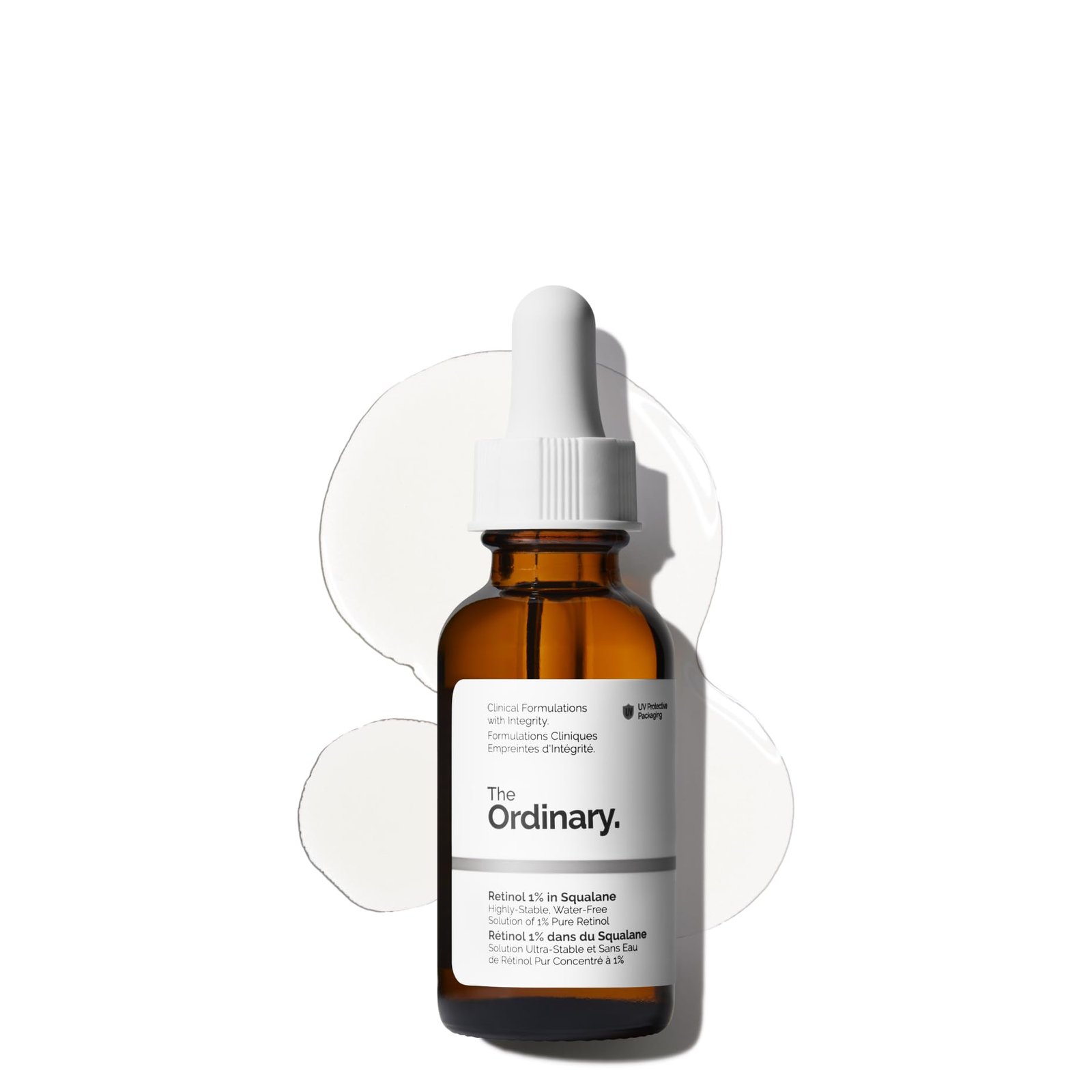
Ordinary Retinol 1% in Squalane
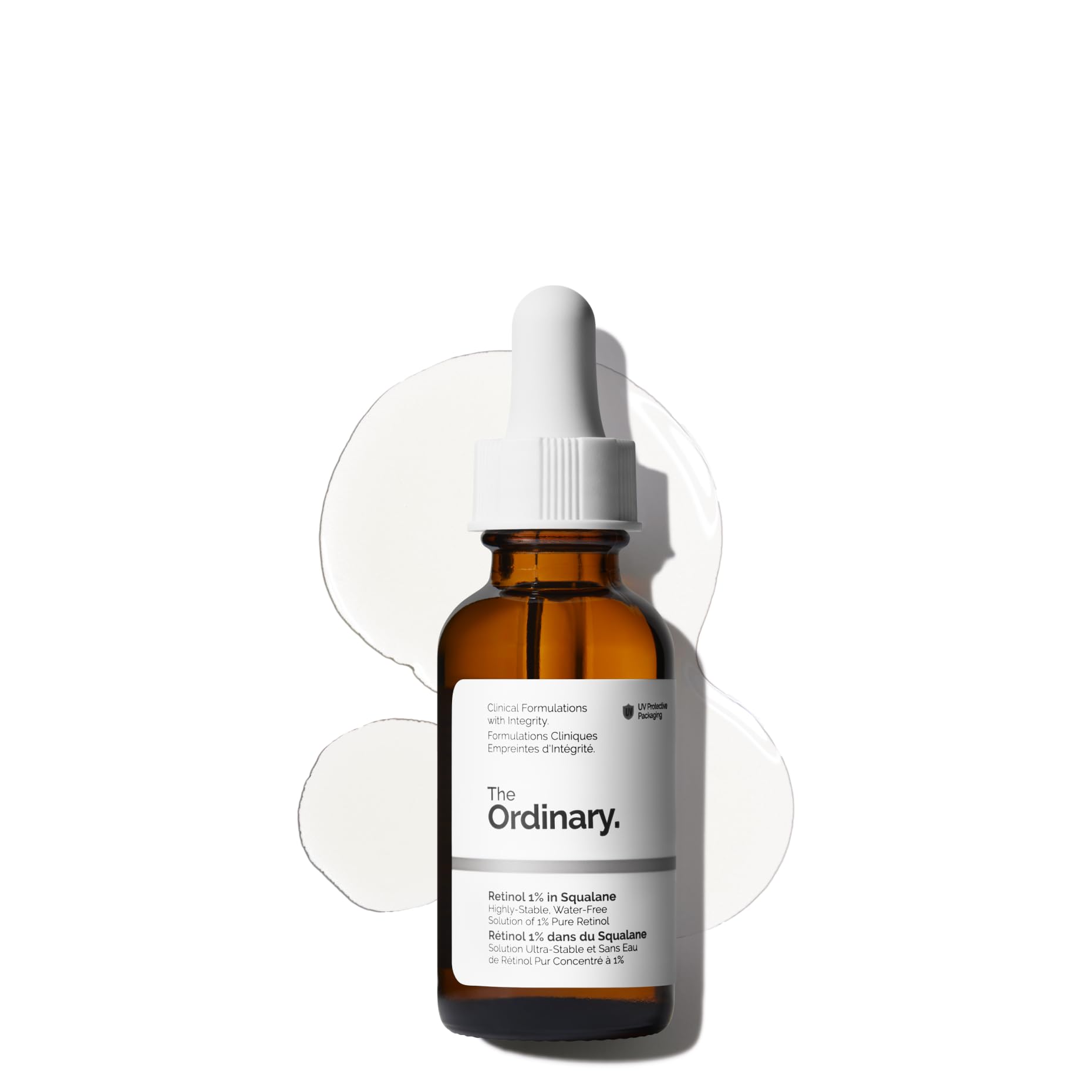
We would recommend this if you already tolerate retinol and want an affordable, potent option that smooths texture and brightens over weeks.
Pros
- High-strength retinol that noticeably refines skin texture.
- Squalane base keeps the formula hydrating and easy to layer.
- Very budget-friendly for the concentration offered.
Cons
- Strong — not ideal for retinol beginners without gradual introduction.
- Feels a bit oily on some skin types due to the squalane carrier.
- Some users report a change in scent or oiliness over time.
We started using this to see real retinol results without a big price tag. Within a few weeks the skin looked smoother and more even, and we liked that the squalane prevented the tightness many retinols cause.
Application felt simple: a few drops at night after cleansing. The texture sits like a lightweight oil, so it layers well under thicker creams but can feel slick right after application.
Sensitivity can happen if you jump straight to 1%, so we eased in with every-third-night use and paired it with gentle moisturizers. For those accustomed to retinol, this delivers visible refinement and glow at an attractive price.
CeraVe Retinol Serum

We recommend this if you want a gentle, dermatologist-developed retinol serum that hydrates while you build tolerance to retinol.
Pros
- Gentle delivery with encapsulated retinol and hyaluronic acid for hydration.
- Barrier support from ceramides and soothing niacinamide.
- Fragrance-free and non-comedogenic; easy to layer into routines.
Cons
- Results take time; not an overnight fix for deep wrinkles.
- Packaging is basic and the bottle is small for regular use.
- Strength isn’t labeled clearly, so beginners may need to monitor tolerance.
We tried this serum over several weeks and appreciated how lightweight it felt. It absorbs quickly and left skin noticeably softer without the tightness some retinols cause.
Our skin handled it well when we layered a moisturizer on top, and the niacinamide kept redness down during the adjustment period. The slow-release MVE tech seems to maintain hydration through the day.
Expect gradual texture and brightness improvements rather than dramatic overnight changes. If you want a straightforward, budget-friendly retinol built around skin barrier care, this one performs reliably for everyday use.
The Ordinary Retinol 0.5% in Squalane

We recommend this if you want a budget-friendly, intermediate-strength retinol that feels lightweight and hydrates while you build tolerance.
Pros
- Affordable way to try an effective retinol concentration.
- Lightweight, squalane-based texture that absorbs without flaking.
- Fragrance-free and generally well tolerated.
Cons
- Can cause irritation if you push frequency too fast.
- Small bottle size compared with price-per-ounce expectations.
- Shorter shelf life once opened; store carefully.
We started using this to introduce retinol into our routine and found it hits a comfortable middle ground — stronger than beginner options but kinder than prescription-strength retinoids. The squalane base keeps skin from feeling tight, so we could use it more consistently without heavy peeling.
Application felt easy: a pea-sized amount smoothed over the face and absorbed quickly with a slight slip from the oil. Some of us noticed mild sensitivity the first week when applying nightly, so we eased into every-other-night use and combined it with a moisturizer.
Results showed up gradually; skin texture and small fine lines softened after a few weeks rather than overnight. If you want a no-frills, effective retinol to build tolerance and still get hydration, this felt like a practical daily option for our routine.
Tree of Life Retinol Serum

We recommend this if you want an affordable retinol blend that hydrates while gradually improving fine lines and dark spots.
Pros
- Affordable, good value for regular use
- Lightweight, absorbs quickly without residue
- Gentle formula with hyaluronic acid suits drier, sensitive skin
Cons
- Initial tingling for new retinol users
- Scent may be noticeable to sensitive noses
- Results take several weeks to become visible
We started using this Tree of Life bottle every other night and noticed it layers well under moisturizer. The texture feels like a light facial oil that soaks in fast, which makes evening routines simpler.
Our skin tingled the first few uses but settled after about 10–20 minutes; that matched other mild retinols we’ve tried. Over a month we saw subtle smoothing and a slight fade in dark spots, not dramatic but consistent.
Packaging is basic and the price point makes it easy to keep using without guilt. We recommend pairing it with daily sunscreen and easing into nightly use if you’re new to retinol.
Buy it on Amazon: Tree of Life Retinol Serum
CeraVe Resurfacing Retinol Serum

We recommend this if you want a gentle, dermatologist-developed retinol that targets post-acne marks and clogged pores without over-drying skin.
Pros
- Gentle on sensitive or acne-prone skin.
- Lightweight, fast-absorbing texture.
- Helps fade post-acne marks and refines pores over weeks.
Cons
- Results take consistent use; not an overnight fix.
- Some may still need stronger retinoids for deep scarring.
- Can cause mild initial irritation if overused.
We tested this over several weeks and liked how lightweight it felt under moisturizers. The serum sank in quickly and didn’t pill with sunscreen or makeup.
Our skin felt calmer thanks to the niacinamide and ceramides; we didn’t experience the tight, flaky feeling common with many retinols. Pores looked subtly smoother after a month, and dark spots began to fade with continued use.
We noticed mild sensitivity the first few nights when we applied it too often, so we stepped back to alternate nights and added a hydrating cream. Overall this balances efficacy and tolerability well for everyday users trying retinol for the first time.
Buy CeraVe Resurfacing Retinol Serum on Amazon
Buying Guide
We look for active ingredient strength first. For retinol serums, creams, or anti-aging serums, check concentration (e.g., low to moderate for beginners, higher for experienced users). Start low and increase as tolerated.
We evaluate formulation and delivery. Oil- or water-based formulas behave differently on our skin; serums often absorb faster while creams add occlusion and moisture. Look for stabilized retinol or similar derivatives to improve effectiveness.
We inspect complementary ingredients. Hydrators like hyaluronic acid and glycerin reduce dryness. Soothing agents such as niacinamide or ceramides calm irritation and support the skin barrier.
We prioritize packaging and stability. Retinol degrades with light and air, so opaque, airtight or pump packaging helps preserve potency. Avoid open jars for retinoids when possible.
We consider skin type and tolerance. Sensitive or dry skin benefits from lower concentrations and hydrating carriers. Oily or acne-prone skin may tolerate higher-strength serums but still needs barrier support.
We check safety, usage, and contraindications. Verify if the product recommends nighttime use and sunscreen during the day. Pregnant or breastfeeding people should consult a clinician before using retinoids.
We compare texture, absorption, and finish. Decide whether we prefer lightweight serums for layering or richer creams for overnight hydration. Patch-test any new product and introduce it gradually to monitor reactions.
We factor in price and value. Evaluate ingredient list, concentration, and packaging against cost. Choose products that match our goals, skin needs, and budget.
| Feature to check | Why it matters |
|---|---|
| Concentration | Determines potency and irritation risk |
| Formulation | Affects absorption and hydration |
| Packaging | Preserves ingredient stability |
| Supporting ingredients | Reduce side effects and boost results |
| Usage guidance | Ensures safe, effective application |
Frequently Asked Questions
We cover practical steps, expected timelines, common side effects, and what ingredients and concentrations to choose for effective anti-aging with retinol products. The answers focus on measurable benefits, application order and frequency, and safety precautions.
What are the top benefits of using a retinol serum for anti-aging?
We reduce fine lines and wrinkles by stimulating collagen production and increasing cell turnover.
We improve skin texture and pore appearance, often making skin look smoother and more even.
How do you properly apply retinol cream to maximize benefits?
We start with clean, dry skin and apply a pea-sized amount to the face, avoiding the eye margins and lips.
We wait 20–30 minutes after cleansing if our skin is damp, then apply moisturizer over the retinol to buffer irritation.
Can you use retinol serum every day or should it be used less frequently?
We introduce retinol gradually: start with every third night for two weeks, then every other night as tolerated.
We move to nightly use only if our skin shows no persistent redness, peeling, or burning.
What should you look for in a high-quality anti-aging serum?
We look for stabilized retinol or retinaldehyde at an appropriate concentration (0.025%–1% for retinol depending on tolerance).
We check for complementary ingredients like niacinamide, ceramides, antioxidants, and a pH that supports ingredient stability.
How long does it typically take to see results from using retinol products?
We often notice improved texture and radiance in 4–8 weeks.
We expect meaningful reduction in fine lines and collagen-dependent changes in 3–6 months with consistent use.
Are there any side effects associated with retinol creams and serums?
We can experience dryness, peeling, redness, and increased sun sensitivity, especially during early use.
We advise using daily broad-spectrum SPF 30+ and pausing or reducing frequency if irritation persists.







Leave a Reply