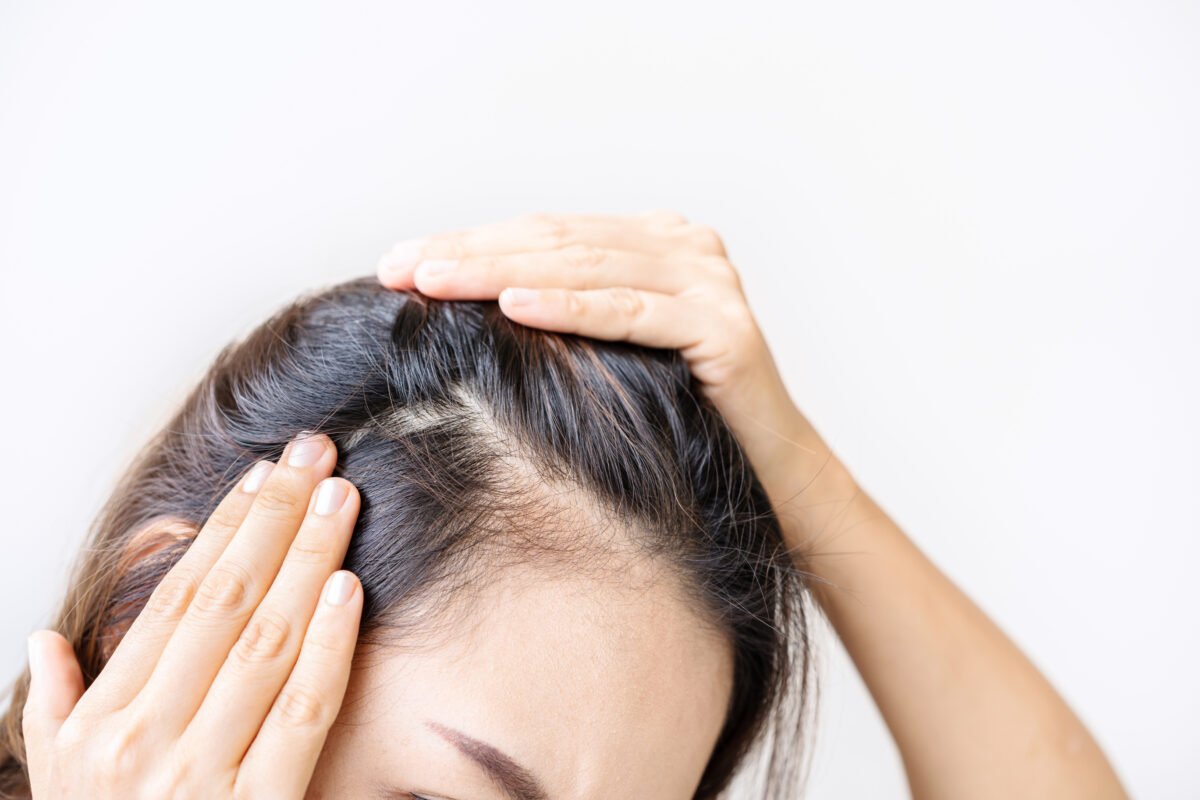
Hair growth and loss solutions cover a broad set of products, from topical treatments and oral supplements to devices like laser caps and microneedling tools. Many people seek options to slow shedding, stimulate regrowth, or thicken existing hair, and products aim to target hormonal, nutritional, or scalp-health causes. We focused on effectiveness, safety, and ease of use to highlight treatments that deliver measurable results without undue risk.
Choosing the right product depends on your underlying cause, treatment goals, and tolerance for side effects or maintenance. Key purchase factors include active ingredients (for example, minoxidil or finasteride for certain types of hair loss), clinical evidence, application frequency, and potential interactions with other medications. We tested and compared leading products so you can find options that fit different needs and lifestyles, and we explain what matters most in the buying guide and FAQ sections that follow.
Best Hair Growth & Loss Solutions
We evaluated clinical evidence, user reviews, and ingredient profiles to select effective hair growth and loss solutions. Below is our curated list of products that balance safety, efficacy, and value for common thinning and shedding concerns.
ZYXN Minoxidil 5% Spray
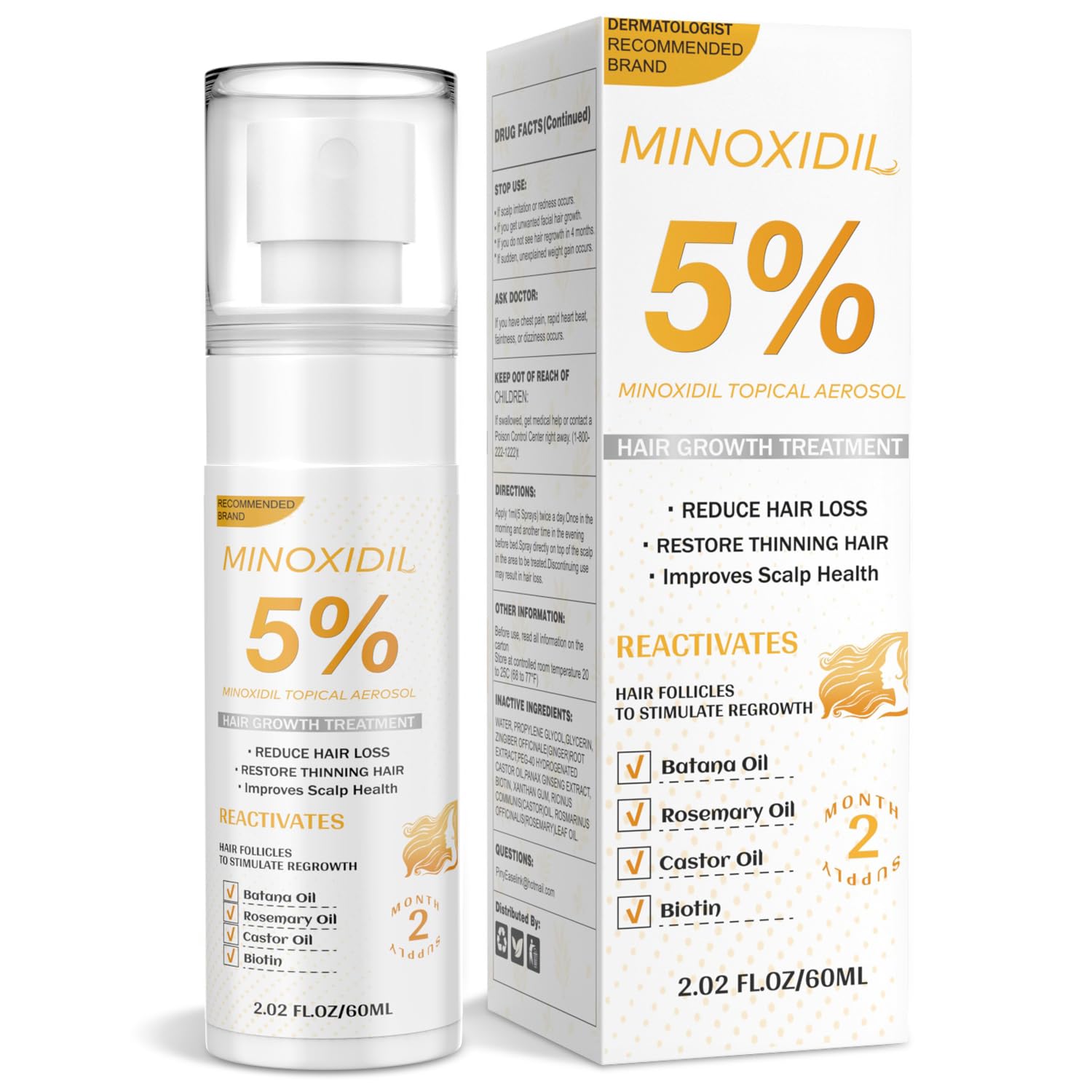
We recommend this if you want a lightweight, no-residue 5% minoxidil option that felt easy to use and showed early signs of thicker hair with consistent application.
Pros
- Lightweight, quick-absorbing spray with minimal scent.
- Clinically-backed 5% minoxidil formulation that felt effective over weeks.
- Free of parabens and sulfates; gentle on sensitive scalps.
Cons
- Twice-daily application requires routine and commitment.
- Spray bottle size is small for long-term use; refills will be needed.
- Some users may experience initial shedding before improvement.
We started using the spray on thinning crown and hairline areas and found application straightforward. The fine mist covered the scalp evenly without leaving a greasy film, so styling afterward wasn’t a hassle.
After about eight weeks we noticed finer baby hairs and a slightly fuller appearance where we’d been consistent. The formula felt gentle; there was no strong medicinal odor and no scalp irritation during our trial.
Maintaining results means sticking to twice-daily use, which can be inconvenient for busy schedules. We also factored in the small bottle size; for ongoing treatment, plan to purchase refills to avoid interruptions.
ZYXN 5% Minoxidil Serum

We recommend this if you want an extra-strength, easy-to-apply minoxidil option that absorbed fast and didn’t leave our scalp greasy.
Pros
- Strong 5% minoxidil concentration for noticeable results.
- Lightweight, non-greasy texture that layers under styling products.
- Added botanicals (rosemary, biotin, batana) that made hair feel softer.
Cons
- Twice-daily routine requires commitment.
- Some users may need months to see clear regrowth.
- Spray/dropper packaging can be messy if applied hurriedly.
We started using this ZYXN 5% minoxidil serum twice daily and noticed the formula sinks into the scalp quickly. The lack of heavy residue made styling simpler, and our hair felt less brittle where we applied it.
The blend of biotin and botanicals gave a mild, pleasant texture that made daily use tolerable; it did not irritate our sensitive scalp. Results took several weeks to appear, but the hairs along thinning edges looked fuller after about two months.
Application required patience to avoid drips from the applicator, and consistent use mattered most. Overall, this felt like a practical, dermatologist-aligned OTC choice for both men and women trying to thicken thinning hair.
Pipuxi 5% Minoxidil Spray
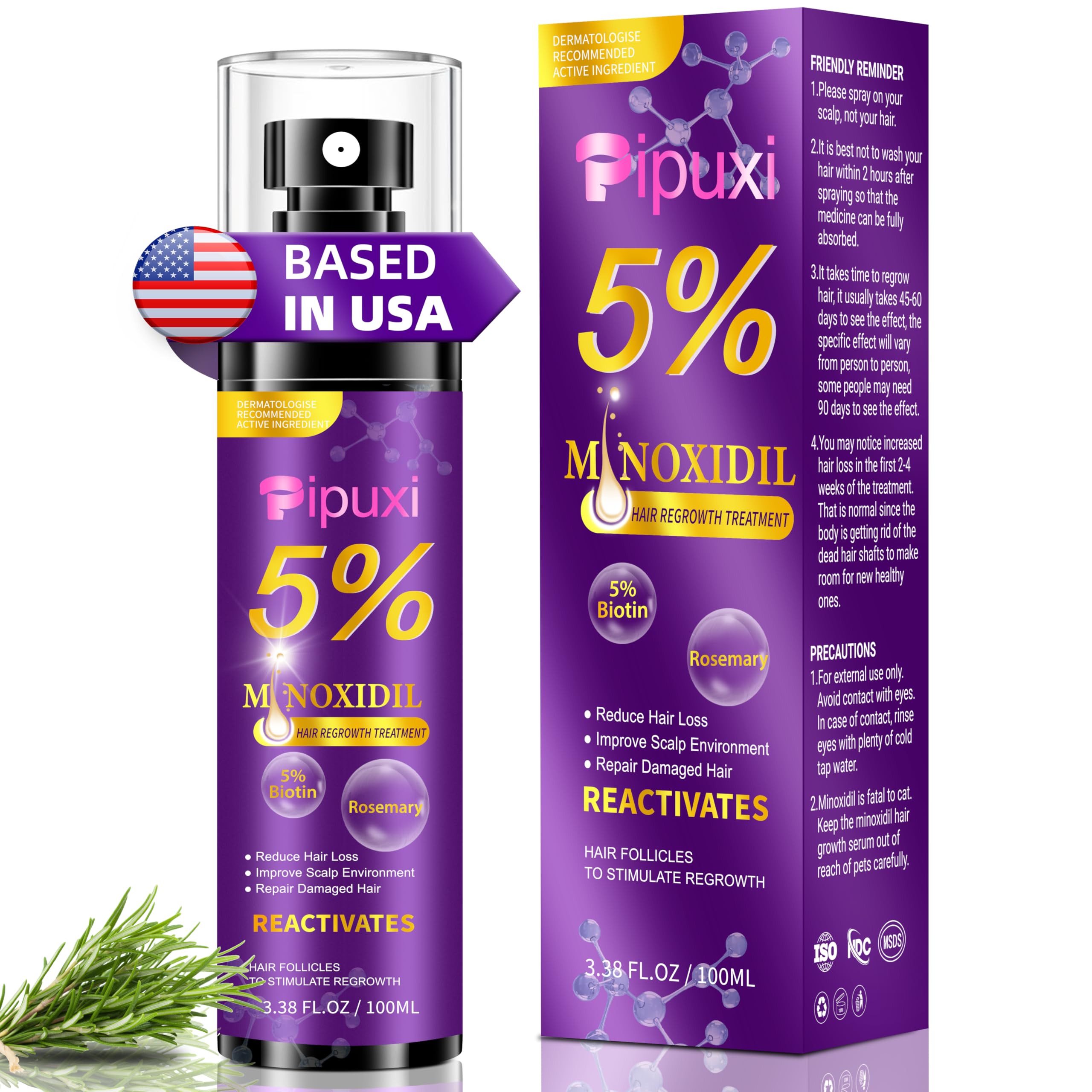
We recommend this if you want a straightforward, lightweight 5% minoxidil spray that absorbed quickly and fit easily into our routine.
Pros
- Fast-absorbing, non-greasy feel that didn’t leave residue.
- Added biotin and rosemary for a more pleasant scent and extra nourishment.
- Easy spray application that made dosing quick and consistent.
Cons
- Requires twice-daily use and patience to see results.
- Initial shedding can occur as follicles cycle.
- Not suitable for people sensitive to minoxidil or topical actives.
We used the Pipuxi spray for several weeks and liked how the mist reached thinning areas without dripping. The rosemary scent was subtle, and our scalp stayed comfortable—no heavy greasiness or clingy residue.
Application felt simple: a few pumps directly on affected spots, gentle massage, and done. Consistency mattered; when we skipped doses the scalp felt normal but progress stalled.
Visible improvements began around the 8–12 week mark for us, with fuller-looking strands over time. Expect the usual minoxidil pattern—some initial shedding then gradual thickening—and be ready for the twice-daily commitment.
Nutrafol Women’s Balance (45+)

We would recommend Nutrafol for women over 45 looking for a science-backed supplement to support thicker-looking hair over several months.
Pros
- Targets hormonal aging with ingredients like ashwagandha and maca.
- Easy daily capsules that fit into a simple routine.
- Noticeable improvement in hair texture and scalp coverage for some users after consistent use.
Cons
- Results often need 4–6 months to show, so patience is required.
- Contains herbal actives that could interact with hormone therapy or medications.
- One-month supply feels short for assessing effectiveness.
We tried Nutrafol for a month and immediately liked the convenient dosing and clean, capsule format. The blend smells neutral and didn’t upset our stomachs, which made it easy to keep consistent.
After a few weeks we noticed hair felt a bit fuller and scalp coverage looked improved in spots, though real density changes would take longer. The botanical mix gave our hair a healthier texture before significant regrowth occurred.
Be cautious if you’re on hormone replacement or other prescriptions; maca and similar botanicals can interact. We recommend checking with a clinician before starting and committing to at least four months to judge real benefit.
Buy Nutrafol Women’s Balance on Amazon
Nature’s Bounty Hair Growth

We recommend this if you want an easy, once-daily biotin-focused supplement to support thicker-looking hair over a few months.
Pros
- Simple one-capsule daily routine that fits into busy schedules.
- Noticeable reduction in shedding and slightly fuller hair after consistent use.
- Vegetarian, gelatin-free formula from a trusted brand.
Cons
- Results take time—three months is the common window for visible change.
- Single monthly bottle means you must reorder to avoid gaps in use.
- Not a miracle fix for advanced hair loss or medical conditions.
We tried this for several weeks and appreciated the convenience of a one-per-day capsule. Our hair felt less brittle and nail strength improved, which matched other users’ early reports.
Taking it consistently proved important; skipped days seemed to slow progress. The blend of biotin, silicon, and arginine felt like a straightforward, low-risk addition to our routine.
Packaging and pills were easy to swallow and carried no odd taste. For anyone seeking a sensible supplement to support existing hair growth rather than treat severe loss, this made sense for our maintenance plan.
Buying Guide
We prioritize evidence and safety when choosing hair growth and loss solutions. Start by identifying your diagnosis — patterned loss, diffuse thinning, or temporary shedding — because treatments vary by cause.
We evaluate active ingredients and mechanism of action. Look for clinically studied actives, clear concentrations, and stated outcomes; avoid products with vague claims or undisclosed formulas.
We check directions, dosing, and application ease. Products you can use consistently have higher real-world effectiveness, so pick formats (topical, oral, device) that fit your routine.
We assess safety profile and interactions. Read warnings, list of side effects, and any contraindications. If you take medications or have conditions, consult a clinician before starting new treatments.
We compare clinical evidence and regulatory status. Peer-reviewed studies and clear trial designs matter; regulatory approvals or clearances add confidence but are not available for all product types.
We consider formulation quality and supporting ingredients. Vehicle, preservatives, and delivery enhancers affect absorption and tolerance. Fragrance or unnecessary irritants can reduce long-term adherence.
We examine cost, treatment timeline, and return policies. Effective approaches often require months of use, so factor ongoing expense and whether sellers offer returns or satisfaction guarantees.
We look at user instructions and monitoring options. Clear progress metrics, recommended check-ins, and guidance on when to stop help us track benefit and minimize harm.
We prioritize professional guidance and realistic expectations. Combine evidence-based products with lifestyle factors, and involve a clinician for persistent or rapidly worsening hair loss.
Frequently Asked Questions
We cover proven medical options, topical and oral products, supplements, and procedural choices. Expect clear, evidence-based answers on effectiveness, typical timelines, and who benefits most.
What are the most effective hair loss treatments for men?
We recommend FDA-cleared treatments first: oral finasteride and topical 5% minoxidil.
Finasteride reduces DHT and typically stabilizes hair loss within 3–6 months; regrowth appears by 6–12 months for many men.
Low-level laser therapy (LLLT) devices and platelet-rich plasma (PRP) injections show benefit in controlled studies when combined with medical therapy.
Hair transplant surgery (FUE or FUT) provides permanent restoration for suitable candidates when performed by experienced surgeons.
Which hair growth products offer the best results for females?
Topical 5% minoxidil (foam or solution) is the primary over-the-counter option with the strongest evidence for women.
Prescription spironolactone helps women with androgen-driven thinning; we monitor blood pressure and electrolytes during treatment.
Low-level laser therapy and PRP can improve density in female-pattern hair loss, especially when combined with medical therapy.
We advise evaluation for underlying causes such as thyroid disease, iron deficiency, or hormonal changes before selecting products.
What vitamins are essential for preventing hair loss?
Iron (ferritin ≥50 ng/mL for many women), vitamin D (25-OH D >30 ng/mL), and B12 are commonly checked and corrected if low.
Biotin helps only in confirmed deficiency; routine high-dose biotin can interfere with lab tests and usually isn’t necessary.
Protein intake and adequate caloric nutrition matter for hair cycle health.
We avoid recommending broad “hair growth” supplement stacks without lab-confirmed deficiencies.
Are there scientifically proven products for hair regrowth and thickness?
Yes: topical minoxidil and oral finasteride have the strongest randomized controlled trial support for regrowth and increased thickness.
LLLT devices have Level II evidence for improving density; PRP has growing randomized data but protocols vary.
Products with peptides, saw palmetto, or botanical extracts show mixed results and limited high-quality data.
We prioritize treatments with replicated clinical trials and clear dosing regimens.
How can one treat hair thinning and stimulate regrowth?
First, identify and treat reversible causes: nutritional deficiencies, thyroid dysfunction, medication effects, and rapid telogen effluvium triggers.
For pattern hair loss, start topical minoxidil and consider finasteride for men or anti-androgen therapy for women when appropriate.
Combine medical therapy with adjuncts such as LLLT or PRP for incremental benefit.
We set expectations: maintenance therapy is usually required to preserve gains.
What are the latest advancements in hair loss treatment for males?
Recent advances include refined PRP protocols and combination therapies integrating LLLT with medical treatment.
Emerging clinical trials investigate topical JAK inhibitors for certain alopecias and cell-based therapies like adipose-derived stem cell injections.
Optimized surgical techniques and robotic-assisted FUE have improved graft survival and donor-site outcomes.
We follow peer-reviewed trial results before adopting new therapies into routine practice.










Leave a Reply