Acne and blemish-control products help reduce breakouts, soothe inflammation, and prevent future spots by targeting oil, bacteria, and clogged pores. They range from cleansers and spot treatments to chemical exfoliants and prescription-strength topicals, each designed to address different causes and stages of acne. Choosing products that match your skin type and the severity of your acne—while watching for drying ingredients or irritants—is the single most important step to seeing real improvement.
We focus on formulations that balance effectiveness with tolerability, such as salicylic acid for unclogging pores, benzoyl peroxide for killing bacteria, and non-comedogenic moisturizers to restore the skin barrier. We tested a variety of over-the-counter and dermatologist-recommended options to find treatments that work without causing excessive dryness or irritation, and we prioritize clear labeling, concentration of active ingredients, and ease of use to help you choose confidently and safely.
Best Acne & Blemish Control Products
Below is our full list of the best acne and blemish control products we recommend for reducing breakouts, calming inflammation, and improving skin texture. We selected options for different skin types and severities, focusing on proven active ingredients like salicylic acid, benzoyl peroxide, and niacinamide.
The Ordinary Salicylic Acid 2%
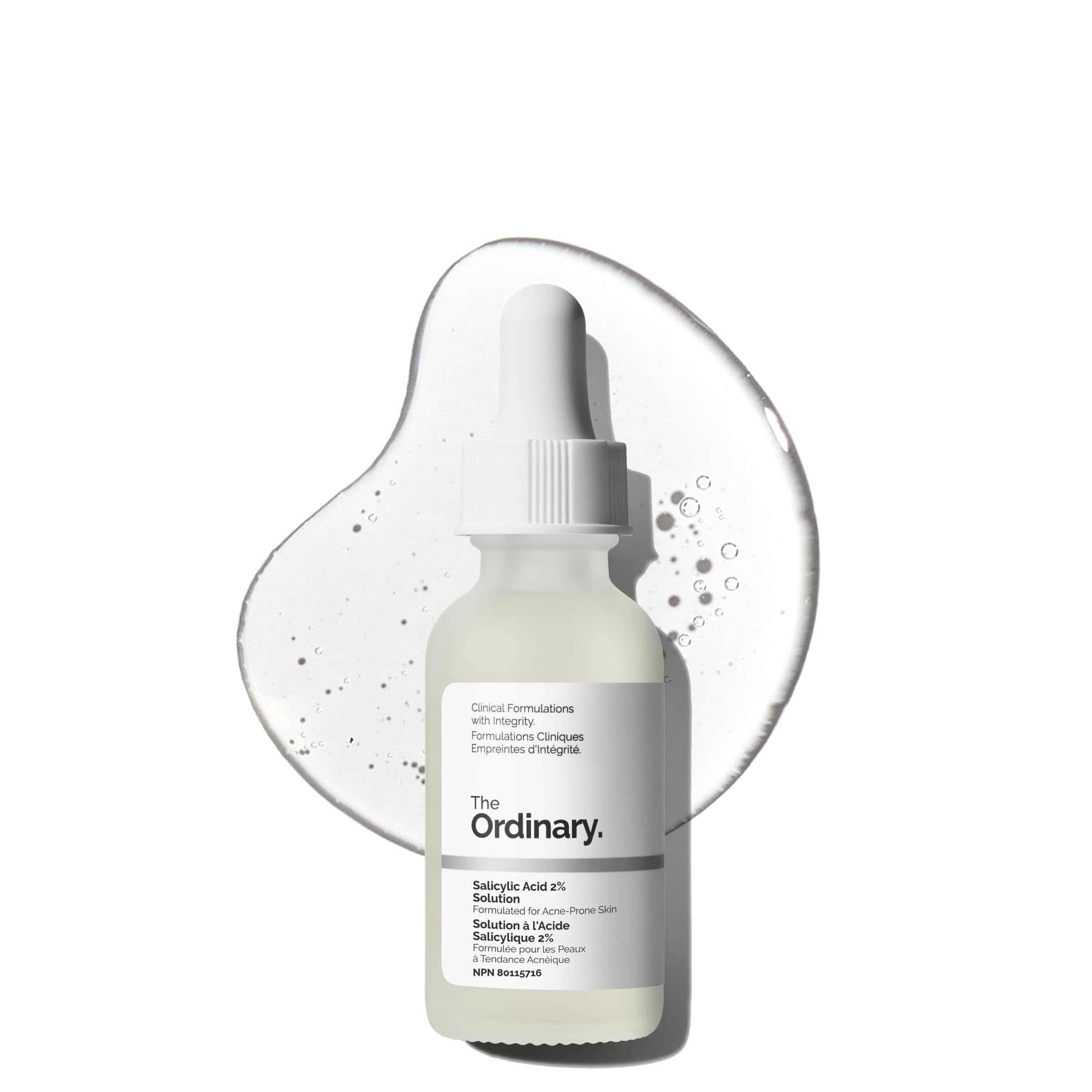
We recommend this if you want an affordable, lightweight salicylic acid serum that helps clear pores and reduce shine on oily, acne-prone skin.
Pros
- Clears and unclogs pores without heavy residue.
- Lightweight, fast-absorbing texture that layers well with other products.
- Noticeable reduction in oiliness and surface blemishes within weeks.
Cons
- Can be drying or irritating if used too frequently or with other actives.
- Small bottle size relative to regular use.
- Not a spot treatment for deep cystic acne — works best as part of a routine.
We tested this on combination-to-oily, acne-prone skin and noticed pore congestion soften after about two weeks. The serum feels thin and water-like, so it sinks in quickly and doesn’t leave a film or scent.
Our skin looked less shiny midday and breakout frequency dropped when we used it consistently every other day at first, then nightly. It paired well with a gentle cleanser and a hydrating moisturizer to counteract slight dryness.
Using it aggressively caused some flaking and tightness, so we dialed back frequency and added a soothing moisturizer. Overall, it’s a solid, budget-friendly exfoliant for maintaining clearer skin when used thoughtfully.
CeraVe Acne Control Gel

We recommend this for oily, acne-prone skin if you want a gentle salicylic acid treatment that reduces blemishes without stripping moisture.
Pros
- Lightweight, non-drying texture that absorbs quickly.
- Combines salicylic acid with AHAs and niacinamide for exfoliation and calming benefits.
- Fragrance-free, oil-free, and developed with dermatologists.
Cons
- May irritate highly sensitive skin or damage a compromised barrier.
- Not an instant cure for severe hormonal cystic acne.
- Some users need time to see visible pore reduction.
We used the gel nightly and noticed it sinks in almost immediately, which made layering with our moisturizer simple. The formula feels hydrating rather than harsh, so it didn’t leave our skin tight or flaky after use.
After a few days the skin looked smoother and less congested; blackheads softened and breakouts reduced over a couple of weeks. Pore size felt less noticeable with consistent use, though results varied by area.
We did encounter mild stinging on days when our skin barrier was already irritated, so patch testing first is wise. For routine maintenance on oily, acne-prone skin this delivers reliable exfoliation without heavy drying.
Buy CeraVe Acne Control Gel on Amazon
Thayers Blemish Clearing Pads

We recommend this if you want a gentle, alcohol-free salicylic-acid pad that clears blemishes without wrecking your moisture barrier.
Pros
- Clears breakouts and helps prevent new ones with 2% salicylic acid.
- Alcohol-free formula that feels soothing thanks to aloe and witch hazel.
- Soft pad texture makes application quick and non-abrasive.
Cons
- Mild stinging on sensitive or freshly irritated skin.
- Pads can feel slightly sticky for a short time after use.
- May not replace stronger spot treatments for severe cystic acne.
We used these pads as a daily step after cleansing and noticed fewer fresh blemishes within a week. The pads feel cool and gentle, not harsh or drying like some acne wipes.
On oily patches they remove excess oil and help smooth texture without leaving tightness. The scent is light and non-offensive, and the pads soak enough solution to cover face and occasional neck or back spots.
Application sometimes caused a faint sting on compromised skin, so we recommend testing a small area first. Overall, this felt like an effective, low-fuss addition to our acne-care routine that preserved skin hydration while treating breakouts.
e.l.f. Blemish Breakthrough Roll-On

We recommend this if you want an affordable, no-fuss spot treatment that calms redness and helps blemishes shrink within a few days.
Pros
- Easy, mess-free roll-on application that targets spots without fingers.
- Contains 1% salicylic acid plus soothing aloe and witch hazel.
- Fragrance-free, vegan, and dermatologist-developed.
Cons
- Small 7.5 mL size means it runs out faster than you’d expect.
- Salicylic acid can cause initial purging or dryness for sensitive skin.
- Roll-on applicator can feel wet and may need a moment to absorb.
We used this on several active spots and liked how the roll-on removed the need to touch pimples directly. The gel feels lightweight and absorbs quickly, leaving a slightly cool, soothing sensation from the aloe and witch hazel.
After a couple of days of morning and evening use we saw reduced redness and smaller bumps. It didn’t eliminate every cystic lesion, but smaller whiteheads and inflammatory spots calmed noticeably faster than without treatment.
We did notice mild dryness around treated areas at first, so we paired it with a gentle moisturizer to avoid flaking. For oily, breakout-prone skin this became a convenient go-to when a pimple popped up.
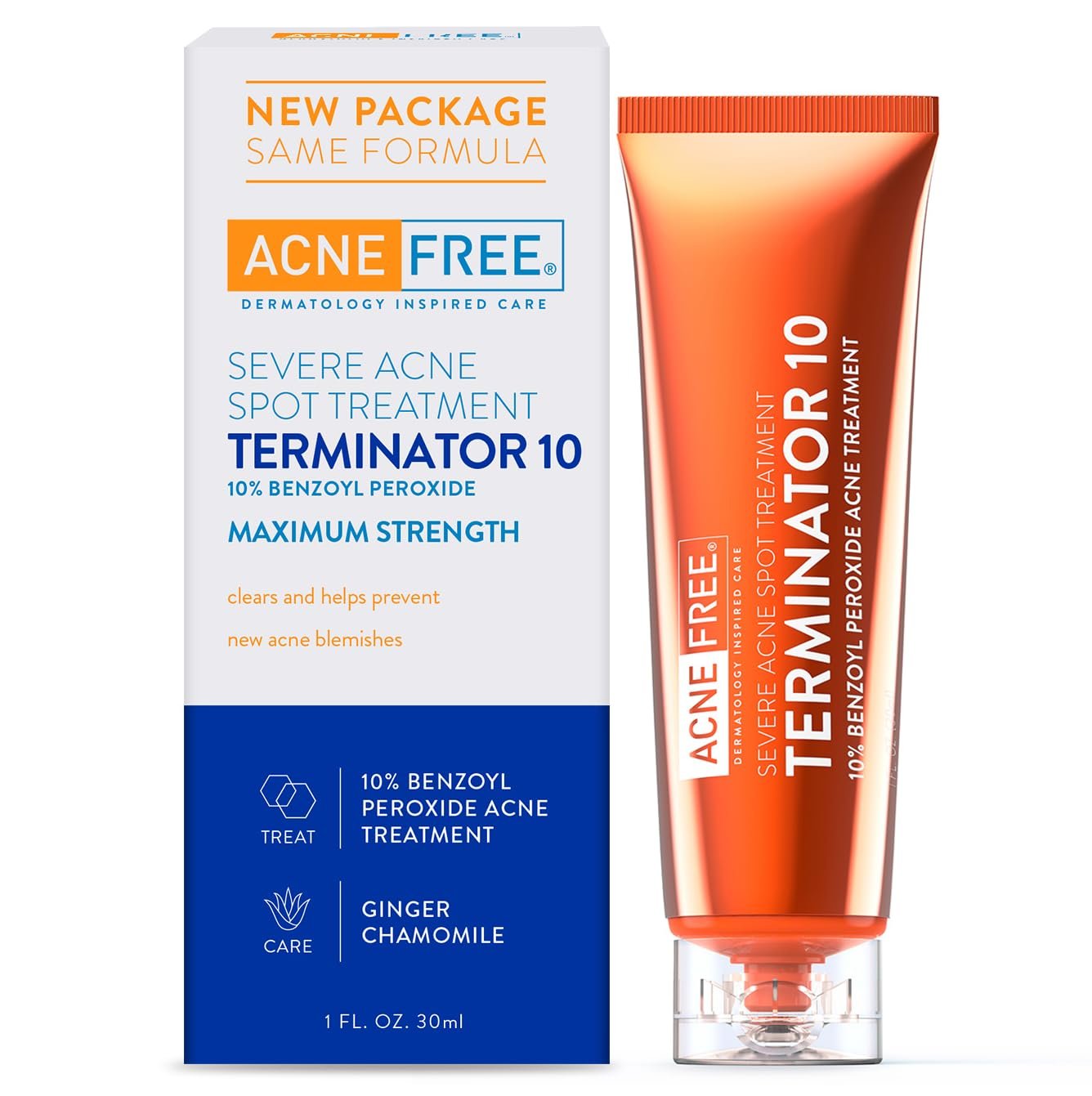
AcneFree Terminator 10

We recommend this for spot-treating stubborn pimples because it acts fast but needs careful use to avoid excessive dryness.
Pros
- Rapidly reduces active blemishes.
- Strong, dermatologist-backed benzoyl peroxide formulation.
- Fragrance- and oil-free, so it layers under moisturizer well.
Cons
- Very drying if overused or applied to large areas.
- Can irritate sensitive or compromised skin barriers.
- Requires consistent hydration after use to prevent flaking.
We used this as a targeted treatment before events and saw pimples flatten noticeably within a couple of days. The 10% benzoyl peroxide punches through inflamed spots quickly and felt effective on both face and body breakouts.
Application demands restraint. We kept it to individual spots, avoided surrounding healthy skin, and followed with a light, non-comedogenic moisturizer to stop peeling. When we missed that step the treated areas got tight and flaky.
Packaging is small and convenient for a gym bag or travel pouch. The cream texture spreads easily and doesn’t leave a greasy residue, but we recommend patch-testing if your skin is prone to sensitivity.
Buy it here: AcneFree Terminator 10 Acne Spot Treatment.
Buying Guide
We focus on ingredients first. Look for proven actives like benzoyl peroxide, salicylic acid, retinoids, or niacinamide, and match concentrations to your skin tolerance. Avoid unclear ingredient lists or vague “complexes.”
We evaluate formulation type next. Gels and spot treatments work for oily or localized breakouts; creams and lotions suit dry or combination skin. Consider non-comedogenic labels and lightweight textures if you break out under heavy products.
We check skin sensitivity and pH. Patch-test new products and choose lower concentrations if we have irritation. Products with soothing agents (e.g., ceramides, glycerin) help balance barrier repair while treating blemishes.
We compare delivery systems and packaging. Pumps and tubes limit contamination better than jars. Foams and leave-on serums can control dose and absorption; occlusive ointments may trap bacteria in active breakouts.
We assess supplementary claims and evidence. Products that state clinical testing or cite studies provide more confidence, but we verify the claims ourselves. Marketing language should not replace clear ingredient information.
We consider regimen fit and usage frequency. Pick products that integrate with our current cleansers, moisturizers, and sunscreen. Start slowly and increase usage based on tolerance to reduce rebound irritation.
We emphasize price and value. Higher cost does not guarantee effectiveness. Evaluate concentration, formulation quality, and the total number of applications per container to judge true value.
| Feature to Check | Why It Matters |
|---|---|
| Active ingredient & concentration | Determines effectiveness and irritation risk |
| Formulation type | Affects suitability for skin type and application area |
| Packaging | Reduces contamination, controls dosing |
| Soothing/support ingredients | Protects skin barrier during treatment |
| Evidence & labeling | Helps verify real claims and safety |
Frequently Asked Questions
We summarize specific product recommendations, dermatologist steps for severe acne, common serum side effects, clinical results for Derma E’s Acne Blemish Control Treatment Serum, comparisons for Murad’s Clarifying Treatment, and fast-acting spot treatments favored by professionals.
What are the top-rated acne and blemish control products of this year?
We list products with strong clinical evidence, user reviews, and dermatologist support. Key picks include topical retinoids (adapalene 0.1–0.3%), benzoyl peroxide 2.5–5% formulations, salicylic acid 0.5–2% cleansers and leave-on treatments, and niacinamide 2–5% serums for redness and barrier support.
Prescription options that consistently rank high are topical tretinoin and oral doxycycline or minocycline for inflammatory acne. Over-the-counter spot treatments with benzoyl peroxide and hydrocolloid patches also receive high marks for quick lesion reduction.
How do dermatologists recommend treating severe acne blemishes?
We start with an evaluation of lesion type, distribution, and scarring risk. For nodulocystic or widespread inflammatory acne, dermatologists typically recommend combined therapy: an oral antibiotic for short-term inflammation control plus a topical retinoid and benzoyl peroxide.
For severe, treatment-resistant cases, isotretinoin (systemic retinoid) is often the preferred option after counseling on risks and monitoring. Adjuncts include intralesional corticosteroid injections for large nodules and hormonal therapy for suitable female patients.
Are there any side effects associated with popular blemish control serums?
We note common, dose-dependent local effects: dryness, peeling, erythema, and transient purging with retinoids and strong acids. Benzoyl peroxide can cause contact irritation and bleach fabrics; salicylic acid may induce dryness and stinging at higher concentrations.
Some serums with active botanical extracts can cause allergic contact dermatitis in sensitized individuals. Systemic side effects are rare for topical serums but warrant provider consultation if severe irritation or widespread reaction occurs.
What are the results of using Derma E’s Acne Blemish Control Treatment Serum?
We report active ingredients and typical outcomes based on product labeling and user data. The serum combines salicylic acid and niacinamide; users commonly report reduced surface congestion within 1–2 weeks and decreased redness over 4–6 weeks with consistent nightly use.
We caution that individual responses vary; people with very dry or sensitive skin may need to alternate nights to limit irritation. Clinical trial data for this specific formulation are limited, so real-world user reports and patch testing guide most recommendations.
How does Murad’s Clarifying Treatment compare to other acne control products?
We compare formulation and clinical intent. Murad’s Clarifying Treatment typically contains salicylic acid and sometimes essential oil components; it targets exfoliation and anti-inflammatory effects similar to other salicylic-acid-based treatments.
Compared with prescription retinoids, Murad’s product offers quicker surface-level clearance but less impact on comedone formation and long-term cellular turnover. For inflammatory acne, combining it with a retinoid or seeking prescription therapy may yield better outcomes.
Which acne spot treatments work quickly and are preferred by skincare professionals?
We identify fast-acting ingredients and professional favorites. Benzoyl peroxide (2.5–5%) and higher-concentration salicylic acid (up to 2% OTC) reduce bacterial load and unclog pores within 24–72 hours. Hydrocolloid patches physically absorb exudate and reduce lesion size and risk of picking overnight.
For deep inflammatory lesions, intralesional corticosteroid injections produce rapid size reduction within 24–72 hours and remain a top in-office choice. Professionals also use short courses of topical dapsone or prescription-strength sulfur/clay formulations for targeted, rapid control.




Leave a Reply