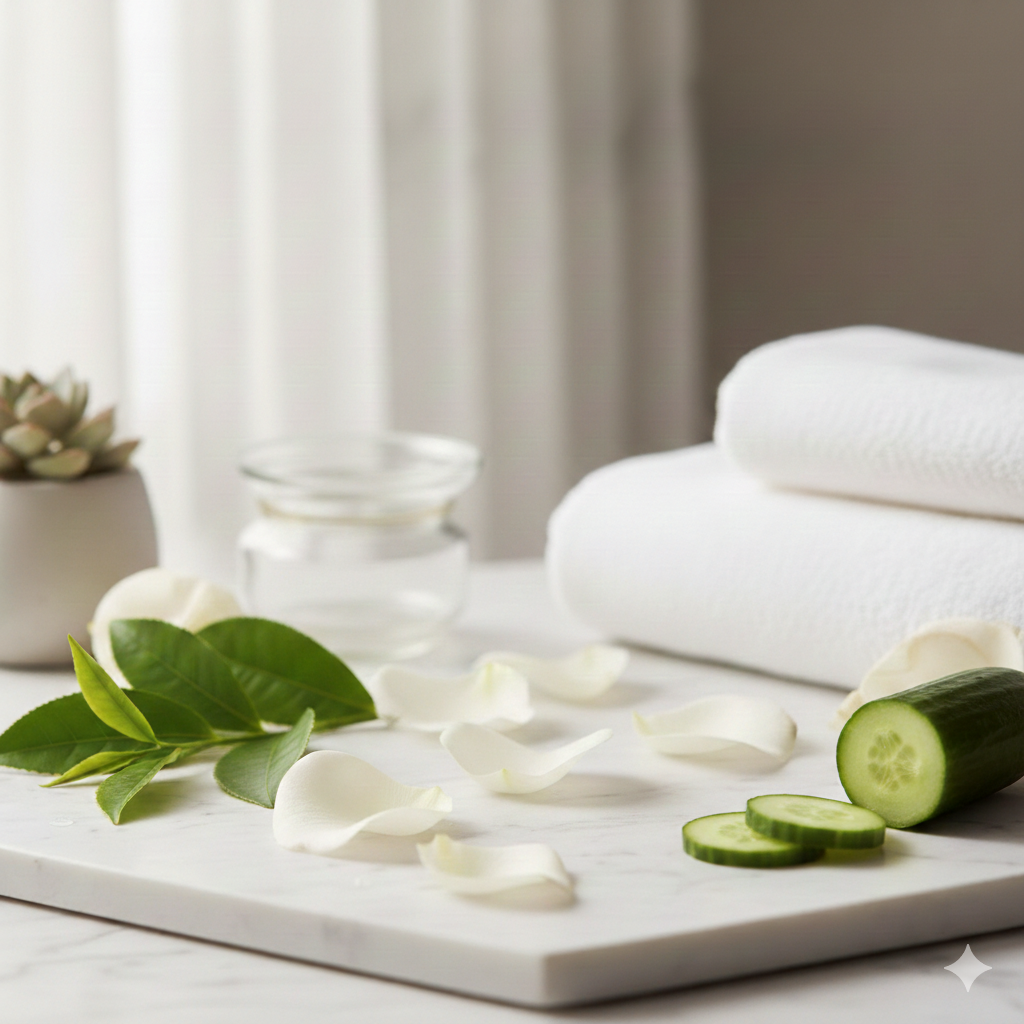
Anti-aging skincare covers creams, serums, sunscreens, and treatments that aim to slow skin aging, reduce wrinkles, and boost radiance. These products work by hydrating, protecting from UV damage, and supporting skin repair with ingredients like retinoids, vitamin C, and peptides. We focus on common anti-aging types people can buy without a prescription and explain what they do and when to use them.
When choosing anti-aging products, pay attention to active ingredients, concentration, and skin type compatibility, and always check for broad-spectrum SPF in daytime routines. Look for clinically backed actives—retinoids for cell turnover, vitamin C for brightening and antioxidant protection, and SPF to prevent further sun damage—because those make the biggest difference. We tested and compared popular formulas to find the ones that give reliable results and fit different budgets and skin sensitivities.
Best Anti-aging Skincare Products
Below is our full list of the best anti-aging skincare products we recommend for reducing fine lines, improving skin texture, and boosting hydration. We chose options that work for different skin types and budgets so you can find the right fit for your routine.
SimplyVital Collagen Retinol Cream
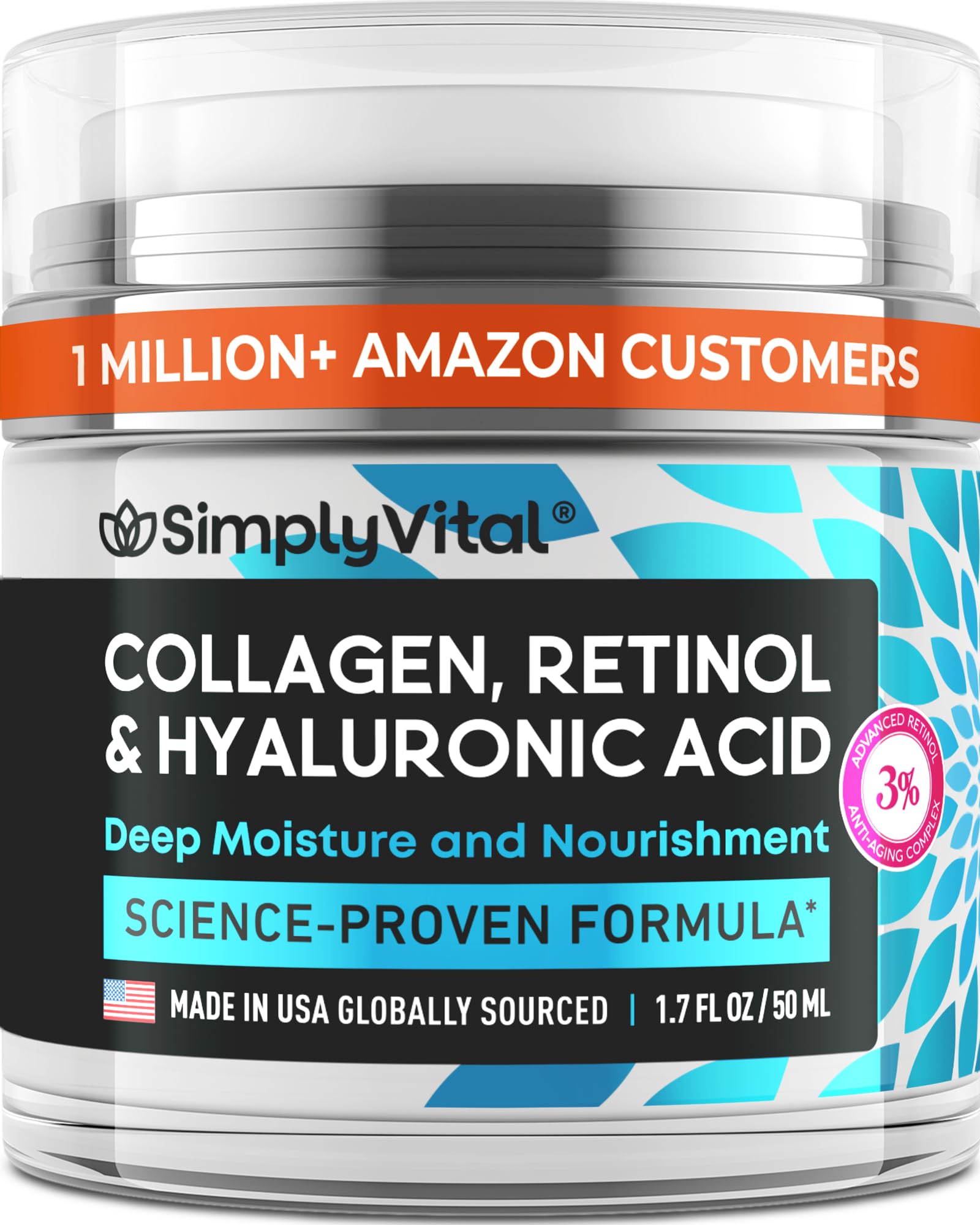
We recommend this if you want a budget-friendly retinol cream that hydrates and feels substantial on the skin.
Pros
- Feels rich and hydrating without heavy greasiness
- Absorbs quickly and layers well under SPF or makeup
- Includes collagen, retinol, and hyaluronic acid in one jar
Cons
- Scent and texture may be too thick for very warm climates
- Retinol can increase sun sensitivity — need daily SPF
- Hard to tell how much product remains in the pump
We tried this cream for several weeks and liked the texture right away. It feels thick like a winter moisturizer but sinks in without leaving a greasy film. Our skin felt softer the morning after first use.
The retinol gave a mild renewal effect after a few weeks. Fine lines looked slightly smoother and skin tone seemed more even. We did notice some tightening on the jaw and neck when used consistently.
Application is simple: a small pump on clean skin and a gentle massage. For sensitive skin we started twice a week and built up. Remember to use SPF every morning since retinol raises sun sensitivity.
Medicube Collagen Jelly Cream

We recommend this if you want a hydrating, glow-boosting night cream that firms and evens tone for a softer, plumper look.
Pros
- Gives a quick glass-glow finish and noticeable softness soon after application
- Feels rich and hydrating without heavy residue when used sparingly
- Includes niacinamide and hydrolyzed collagen to support texture and firmness
Cons
- Can feel sticky right after you put it on
- A little goes a long way, so scent or texture may bother those who like lightweight lotions
- Might be too rich for daily use on oily skin
We used this jelly cream as part of our evening routine for several weeks. The texture is a clear, bouncy gel that spreads easily with the small spatula in the jar. It sits on the skin briefly sticky, then smooths into a tight, glowing finish.
After a few nights our skin looked plumper and pores appeared less obvious. The niacinamide helped calm redness and improved overall tone. We noticed firmer-feeling skin around the jawline after consistent use.
Applying a thin layer worked best for us. If you apply too much it can feel heavy and tacky. For oily skin, try using it a few times a week; for dry skin, it serves well as a nightly boost.
Revitalift Triple Power Moisturizer

We recommend this if you want an affordable daily cream that hydrates, firms, and can smooth fine lines with regular use.
Pros
- Feels creamy and absorbs without greasiness
- Noticeable hydration and smoother texture after a few days
- Combines retinol, hyaluronic acid, and vitamin C in one jar
Cons
- Scent may bother sensitive noses
- Small jar size for the price for some users
- Retinol can cause irritation for very sensitive skin
We tried this moisturizer for several weeks and liked how it sank in quickly. Our skin felt plumper and makeup went on more smoothly after a few uses.
The texture is richer than a gel but not heavy. On mornings it gave a subtle glow, and at night it layered nicely under oil or serum. We did notice a mild fragrance that some in our group found too strong.
A few of us with sensitive skin saw slight redness when we used it every night at first. Spacing use to every other night fixed that. Overall, it’s a solid, budget-friendly anti-aging option if you want multiple actives in one product.
Buying Guide
We look for ingredients that have evidence. Retinoids, vitamin C, peptides, and sunscreen are key. Check concentrations and formulation types so the ingredient can work on your skin.
We read labels for possible irritants. Fragrance and high alcohol can sting sensitive skin. Patch-test new products to avoid reactions.
We consider skin type and concerns. Oily skin may prefer lightweight gels or serums. Dry skin often needs creams with humectants and emollients.
We evaluate texture and absorption. A product that feels good on us is more likely to be used daily. Lightweight textures often layer better under sunscreen and makeup.
We pay attention to packaging. Airless pumps and opaque tubes protect sensitive ingredients from light and air. Glass droppers can be fine if stored properly.
We compare value and frequency of use. Higher concentration or specialized actives may cost more but last longer. Decide if nightly use or weekly treatments fit our routine.
We look for clinical evidence and clear instructions. Products that list how to use, when to apply, and potential side effects help us use them safely. Prefer items with tested stability and safety info.
We check compatibility with other products. Avoid combining certain actives at once if they increase irritation. Plan a simple routine: clean, treat, hydrate, and protect.
Frequently Asked Questions
We list practical, science-backed options for different decades and explain which ingredients and treatments work best. Each answer names specific ingredients, products, or procedures and gives simple steps you can follow.
What are the top anti-aging skincare ingredients to look for in products for people in their 60s?
We recommend retinoids, peptides, and vitamin C for deeper wrinkles and uneven tone. Prescription tretinoin or over-the-counter retinol can improve texture; peptides help with firmness; stabilized vitamin C brightens and fights free radicals.
Add niacinamide to reduce redness and strengthen the skin barrier. Use hyaluronic acid to restore moisture and glycerin for hydration. Match products to sensitive skin by choosing lower concentrations and testing patch areas.
Which anti-aging creams are most effective for someone in their 50s?
We prefer creams with tretinoin or prescription retinoids when tolerated, plus ceramides for barrier repair. Look for formulas that combine retinoids with moisturizing ingredients to reduce irritation.
Choose daytime creams with SPF 30 or higher and antioxidant support like vitamin C. Night creams with higher peptides and hyaluronic acid help support collagen and hydration while you sleep.
What skincare regimen is recommended for anti-aging in your 40s?
Start with gentle cleansing and daily SPF 30 or higher every morning. Add a vitamin C serum in the morning for antioxidant protection and a retinoid at night to stimulate collagen.
Include weekly gentle exfoliation (AHA or BHA) to improve cell turnover and a moisturizer with ceramides and hyaluronic acid to keep skin plump. Adjust retinoid strength gradually and use sunscreen daily to protect gains.
How should people in their 30s approach anti-aging in their skincare routine?
We focus on prevention: daily sunscreen, antioxidant serums, and light retinoids. Use SPF 30+ every day, and apply vitamin C in the morning to reduce sun damage buildup.
Introduce a low‑strength retinol at night to encourage collagen production. Keep moisturizers simple: hyaluronic acid and ceramides work well for most skin types.
What are scientifically proven effective treatments for aging skin?
Topical retinoids, sunscreens, and vitamin C have strong clinical evidence for reducing signs of aging. Chemical peels, microneedling, and laser resurfacing show measurable improvements in texture and collagen when performed properly.
Injectables like Botox and hyaluronic acid fillers are proven for lines and volume loss. Always consult a board-certified dermatologist or plastic surgeon to find the right procedure and minimize risks.
Are there any breakthrough anti-aging products or ingredients that have emerged recently?
We see renewed interest in peptides with specific, tested sequences that stimulate collagen and skin repair. Topical nicotinamide riboside and senolytic research show promise but need more large human trials.
Advanced delivery systems, like encapsulated retinoids and stabilized vitamin C formulations, improve tolerance and effectiveness. Treat new claims with caution and look for peer-reviewed studies or dermatologist endorsements.





Leave a Reply